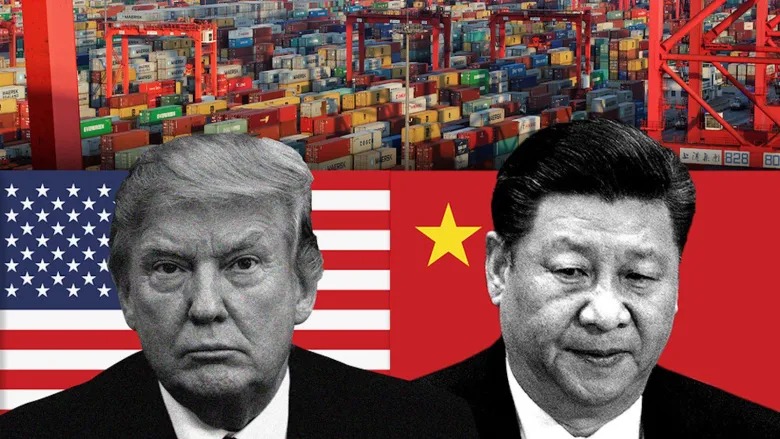
⚔️ Tariff Shock Returns: US–China Trade War Reignites, Threatening Global Supply Chains
Rising Tensions Between the World’s Two Largest Economies
The long-standing US–China trade war has reignited — this time with new layers of economic tension that reach deep into global supply chains and shipping networks.
Both nations have announced fresh port fees, tariff threats, and export restrictions, signaling a new wave of confrontation that could reshape how the world trades, ships, and manufactures goods.
A New Phase of the Trade War
What began as a dispute over product tariffs has evolved into a strategic standoff targeting the very mechanics of global trade — including ocean shipping and critical raw materials.
Experts warn this “tit-for-tat” approach could turn global commerce into a battleground of economic power, with direct impacts on logistics, production costs, and consumer prices worldwide.
Key Measures in the Latest Escalation
1. New Port Fees and Tonnage Levies
Both Washington and Beijing have introduced additional port fees on maritime transport companies, increasing operational costs for global shipping firms. This move could lead to rising freight prices and delayed shipments, particularly for industries reliant on fast-moving supply chains.
2. New Tariff Threats
The United States has issued warnings of hefty tariffs on all Chinese goods, signaling a possible return to the aggressive tariff cycles seen in the previous rounds of the trade war. Economists fear such measures could once again inflate global prices and strain business relations between the two major economies.
3. China’s Restrictions on Critical Minerals
In response, China — a major supplier of rare earth elements and magnet technologies — has tightened export controls on these crucial materials. These restrictions could disrupt sectors like semiconductors, electric vehicles, and renewable energy, which heavily depend on China’s mineral supply.
Global Impact: Instability Ahead
This quick and aggressive escalation could bring widespread instability to international trade. Businesses may face:
- Higher shipping and raw material costs
- Increased manufacturing expenses
- Supply chain disruptions in both the US and Asia
Multinational corporations are already re-evaluating production hubs and diversifying sourcing strategies to reduce dependency on either market.
The Road Ahead
As the world’s two biggest economies clash once again, the ripple effects are expected to reach every continent — from small exporters to global logistics giants.
How this trade war evolves in the coming months will determine not just the cost of goods, but also the stability of the global economy itself.