Australia and the US Forge a New Path on Rare Earths and Regional Security
Washington, D.C. — Australian Prime Minister Anthony Albanese has wrapped up his first official summit with U.S. President Donald Trump at the White House, marking a pivotal moment in the two nations’ strategic partnership. The discussions focused on two core priorities: strengthening the Western supply chain and reinforcing the defense cooperation that underpins regional security.
Securing a Democratic Supply Chain
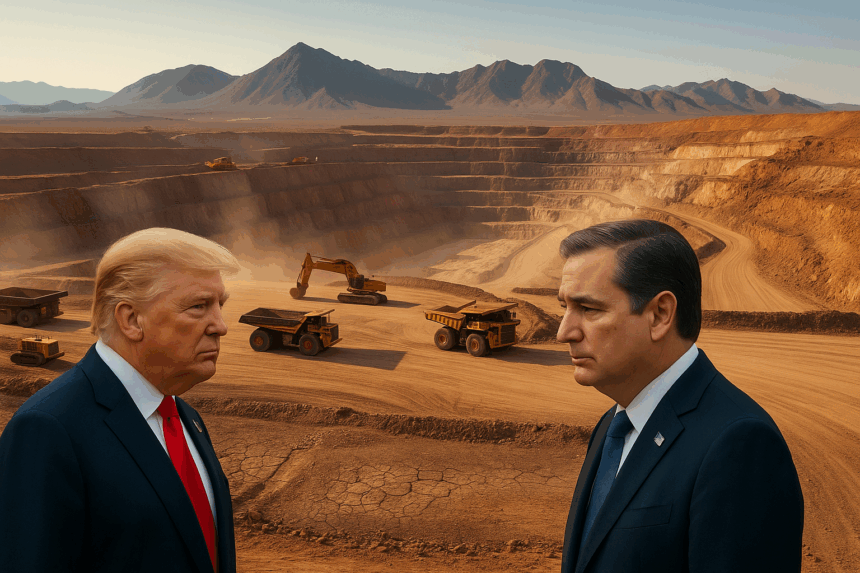
At the heart of the economic talks was Australia’s vast reserve of rare earths and critical minerals—resources essential for electric vehicles, renewable energy infrastructure, and advanced defense technologies.
With China tightening its grip on global exports, both Canberra and Washington emphasized the urgency of diversifying supply chains away from Beijing’s dominance.
Albanese’s delegation, which included the Minister for Resources, presented Australia as a dependable democratic supplier. Their pitch to U.S. investors was clear: support Australia’s transition from a raw-material exporter to a global hub for midstream mineral processing. This would not only strengthen Western industrial resilience but also reduce dependence on Chinese processing capacity.
Strengthening the AUKUS Security Pact
Security cooperation was another central pillar of the summit, with a strong focus on the AUKUS alliance. Australian officials sought reaffirmation from President Trump that Washington remains committed to delivering nuclear-powered submarines under the pact.
The Albanese government also highlighted Canberra’s ongoing investments in U.S. submarine shipyards and its readiness to host American submarines in Australian ports—signaling that Australia is deeply invested in the alliance’s long-term success.
Balancing Alliances and Economic Realities
Despite this growing U.S. alignment, Canberra continues to walk a fine line with China, its largest trading partner. Maintaining economic stability while strengthening strategic ties with Washington remains a delicate balancing act.
Nevertheless, the summit demonstrated a clear shift toward deeper integration with U.S. industrial and defense networks. Both nations reaffirmed their shared commitment to regional stability, technological innovation, and collective security across the Indo-Pacific.