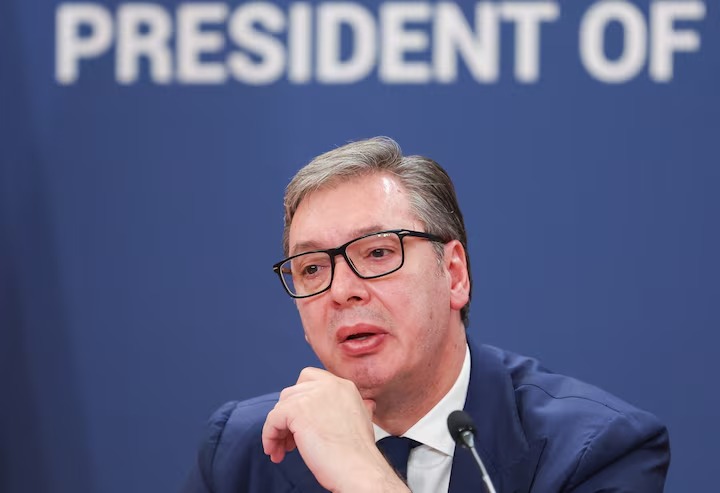
Serbia has less than a week to resolve a looming fuel-supply crisis at its only oil refinery unless it
takes urgent action, according to President Aleksandar Vučić. The refinery is operated by Naftna
Industrija Srbije (NIS), where Russian-owned companies hold a majority stake while U.S. sanctions
are pushing the country to find a buyer or face shutdown. Reuters
A refinery under pressure
The refinery near Belgrade has crude supplies scheduled to last only until about November 25,
unless fresh deliveries are secured. Banks have already frozen NIS transaction channels amid the
sanctions, increasing the urgency of the situation. Vučić stated that Serbia must decide what to do
within the next seven days to ensure uninterrupted fuel operations. (Reuters)
Meanwhile, Washington has given NIS’s Russian shareholders — Gazprom Neft and Gazprom —
three months to divest their combined controlling stake of 56%. Serbia, which holds 29.9% of NIS, is
weighing options as the deadline looms. (Reuters)
Why this matters globally
For investors, energy firms and regional infrastructure players — especially in the Gulf and across
emerging markets — this story matters for several reasons:
- Serbia’s energy supply chain is at risk of disruption, which could affect regional fuel flows
and client confidence. - The case highlights the risks associated with sanctions-exposed assets and ownership
structures linked to geopolitically sensitive countries. - It underscores that when national infrastructure is entangled with global politics, both
timing and strategic partners become critical.
Looking ahead: watch the next moves
Serbia has laid out potential paths: offering a price above market value to acquire the stake if no
partner steps in; or allowing nationalisation as a last resort. Vučić emphasised a preference to avoid
outright nationalisation of Russian assets, although he indicated Serbia is ready to act if diplomacy
and deals fail. (Reuters)
Meanwhile, with the winter season approaching and crude supply already constrained, the country
faces a delicate balancing act: maintaining fuel operations while protecting investor confidence and
its credit rating.
Business X Insight
Serbia’s refinery crisis is more than a national energy issue — it’s a test of how infrastructure,
ownership and geopolitics intersect in a globally connected world. For wealth-managers, funds and
businesses operating in or alongside emerging markets, the takeaway is clear: know who owns the
assets, understand the politics, and expect that timelines and supply risks can become strategic
game-changers.
In environments where external forces bite hard and quickly, the smartest strategy is preparedness
— not just for growth, but for risk