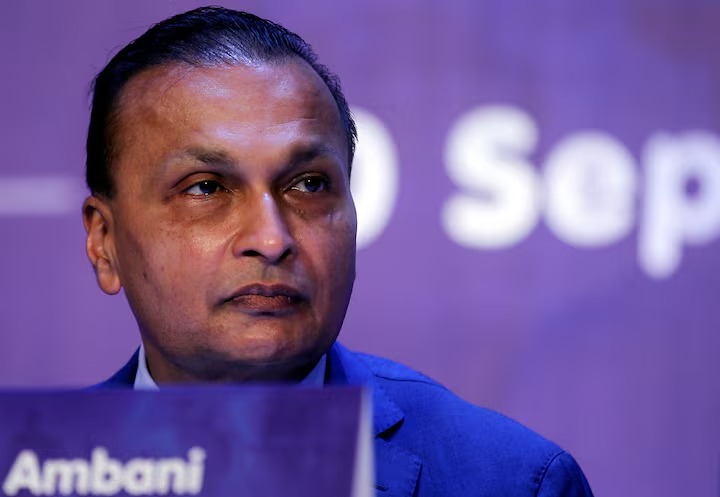
India’s financial crime-fighting agency has taken a decisive step in its investigation into the Anil Ambani-led Reliance Group, provisionally freezing properties valued at about 30.8 billion rupees (≈ US $340 million) across multiple cities.
The action targets more than 40 properties tied to the group amid allegations of money laundering and diversion of bank loans.
The Core of the Investigation
The move follows an ongoing probe into loans issued by YES Bank to group-linked companies during 2017–2019.
These loans, totaling over US $568 million, reportedly failed to generate expected returns.
Authorities allege that the funds were diverted through layered transactions and shell companies, prompting further scrutiny of the group’s financial practices.
The attached assets include residential units, land parcels, and commercial properties in major cities such as Mumbai, Delhi, and Chennai.
Why This Development Matters
For institutional investors and global markets, this move highlights the growing vigilance in India’s corporate finance ecosystem.
Freezing such high-value assets in a prominent case underscores the risks tied to over-leverage, opaque borrowing, and rapid corporate expansion.
For Gulf-based investors with exposure to Asian credit or private-equity markets, the development reinforces the need for thorough due diligence, strong governance frameworks, and regulatory awareness.
India’s financial enforcement agencies are now aligning more closely with international standards of transparency, sending a clear message to both domestic and offshore investors.
What to Watch Next
- Asset recovery and implications: Will the frozen properties eventually help recover funds for creditors and public stakeholders?
- Corporate governance impacts: How will other large Indian conglomerates respond to stricter enforcement and reputational risks?
- Cross-border investment sentiment: Will the move influence how offshore funds and Gulf-based investors view Indian corporate debt and real-estate exposure?
Business X Insight
This case delivers an important message for global finance: high-growth markets are rapidly adopting mature-market standards of transparency and accountability.
For investors and wealth managers in the Middle East, the lesson is clear — growth potential must be matched by strong governance and risk control.
India remains one of the world’s most promising investment destinations. However, sustainable success will depend on credible capital structures, clear recourse frameworks, and regulatory integrity that safeguard both investors and markets.